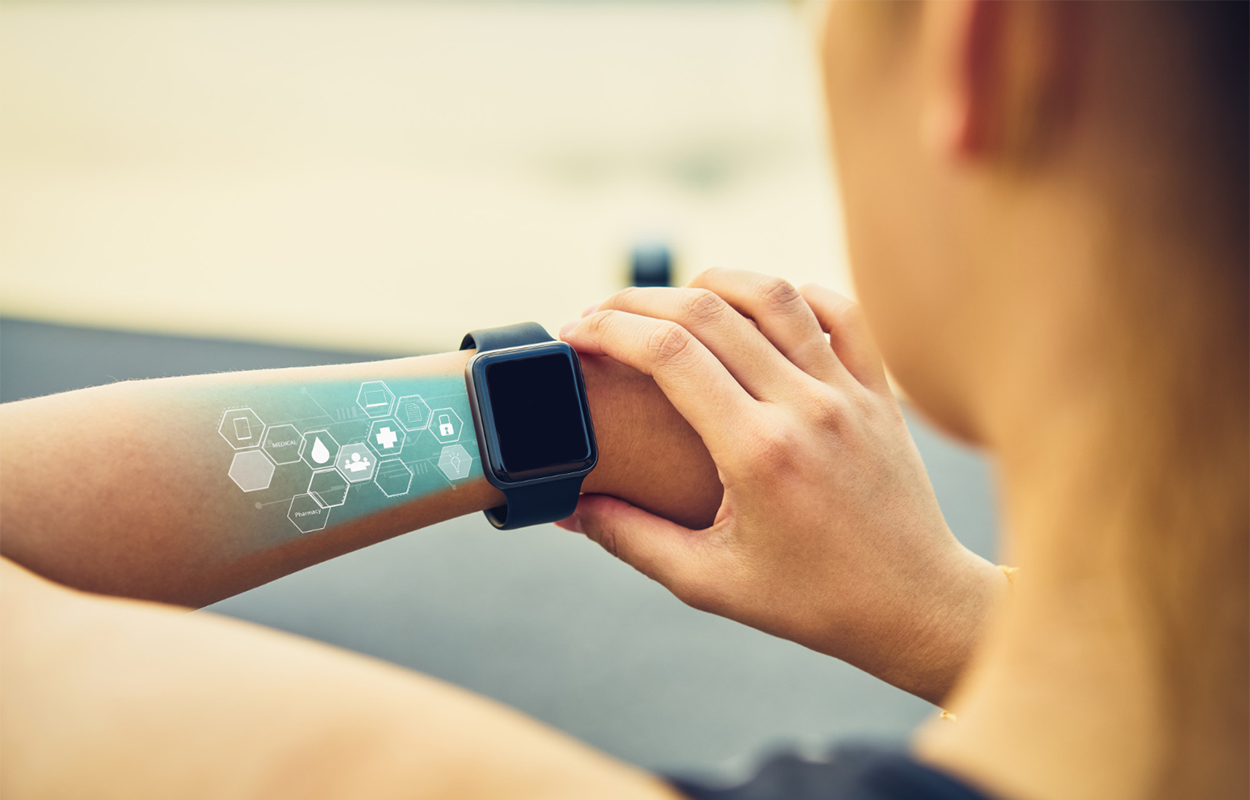
The wearable for the world's largest-scale data collection
The Matrix multi-sensor wearable: solutions for health-related research and clinical trials.
Advanced health analytics
Specifications
Sensors and measurement
- Triaxial accelerometer and gyroscope, range ±16 g
- 16-bit signal resolution
- Impact tolerance up to 2000 g
- Factory calibration
- Ambient temperature sensor, accuracy 1 °C
- Body temperature sensor, accuracy 0.1 °C
- Photoplethysmograph with two green (530 nm) LEDs and one IR (940 nm) LED
Power and durability
- 200 mAh battery and magnetic charging cable
- 512 MB internal memory
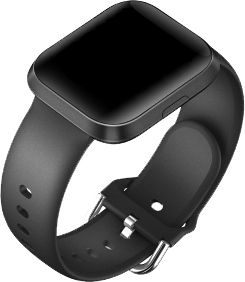
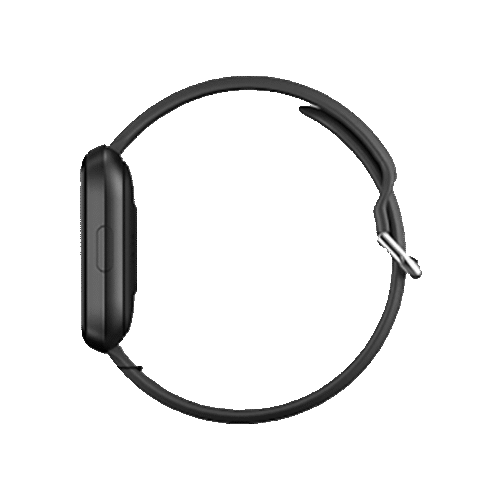
- Watch format with adjustable silicone sports strap
- Water resistance up to 50 m
Connectivity and certification
- USB connection to computer
- Data downloadable in Excel format
- CE certification according to Directives 2011/65/EU and amendment 2015/863 (EU)
- Free software for device handling
- Configuration through Android smartphone or tablet
Supported by the most used open-source software for wearable data analysis
Accelerometer data is processed with GGIR, the open-source R package used by large cohorts worldwide. Documentation is maintained on the GGIR GitHub pages.
GGIR documentationContact us if you need our data-analytics service.
Current applications
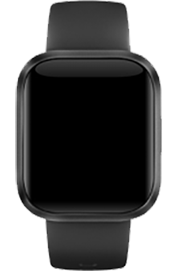
The Spanish Ministry of Health uses this device in its national cohort of 200,000 individuals, representative of the population aged 16 to 79.
Peking University and other organisations in China and the USA use it to assess the CHARLS population, a nationally representative sample of 17,500 Chinese residents aged 45 and older.
International research groups use it in randomised clinical trials with special populations (elite athletes, people with heart disease, older adults).
The University of Oxford and University College London use it in validation studies against other devices and against data from our wearable camera.
Selected for the first international study demonstrating its use in primary care to enable more personalised exercise prescription.
The Matrix multi-sensor wearable is trusted by